Nutrient Absorption Process

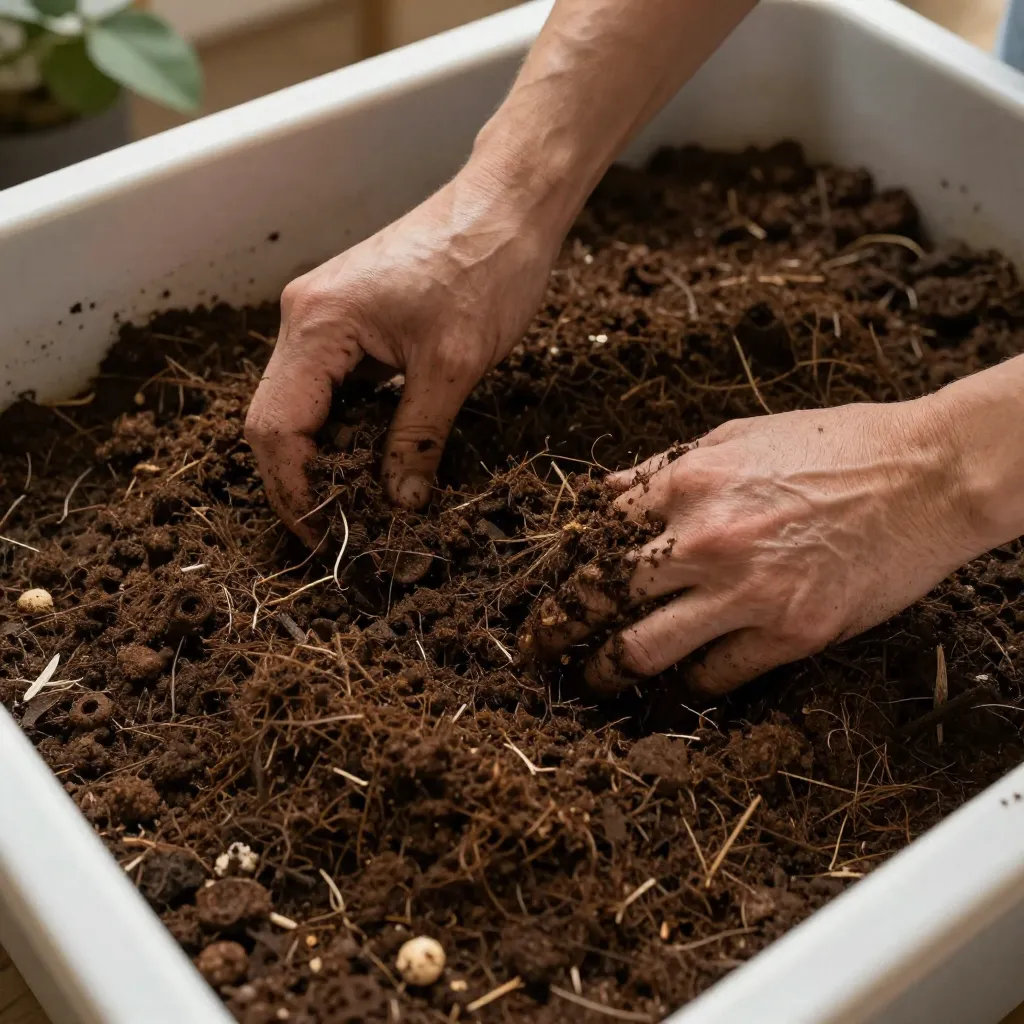
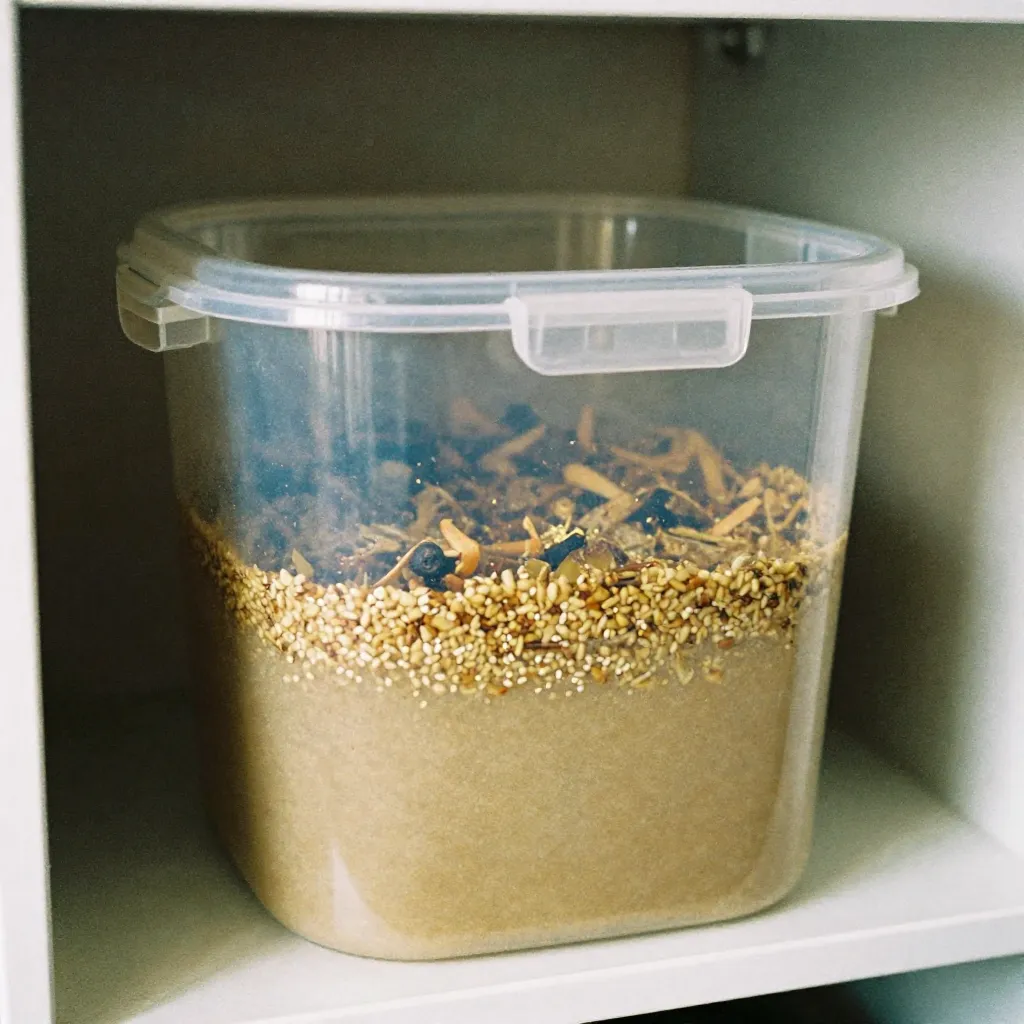
Finished compost contains essential nutrients in forms that plant roots can absorb. The decomposition process converts organic matter into humus, which releases nutrients gradually as plants need them.

Root systems absorb nutrients through root hairs, which have large surface areas for nutrient exchange. Compost provides a steady supply of nitrogen, phosphorus, potassium, and micronutrients that support healthy plant development.
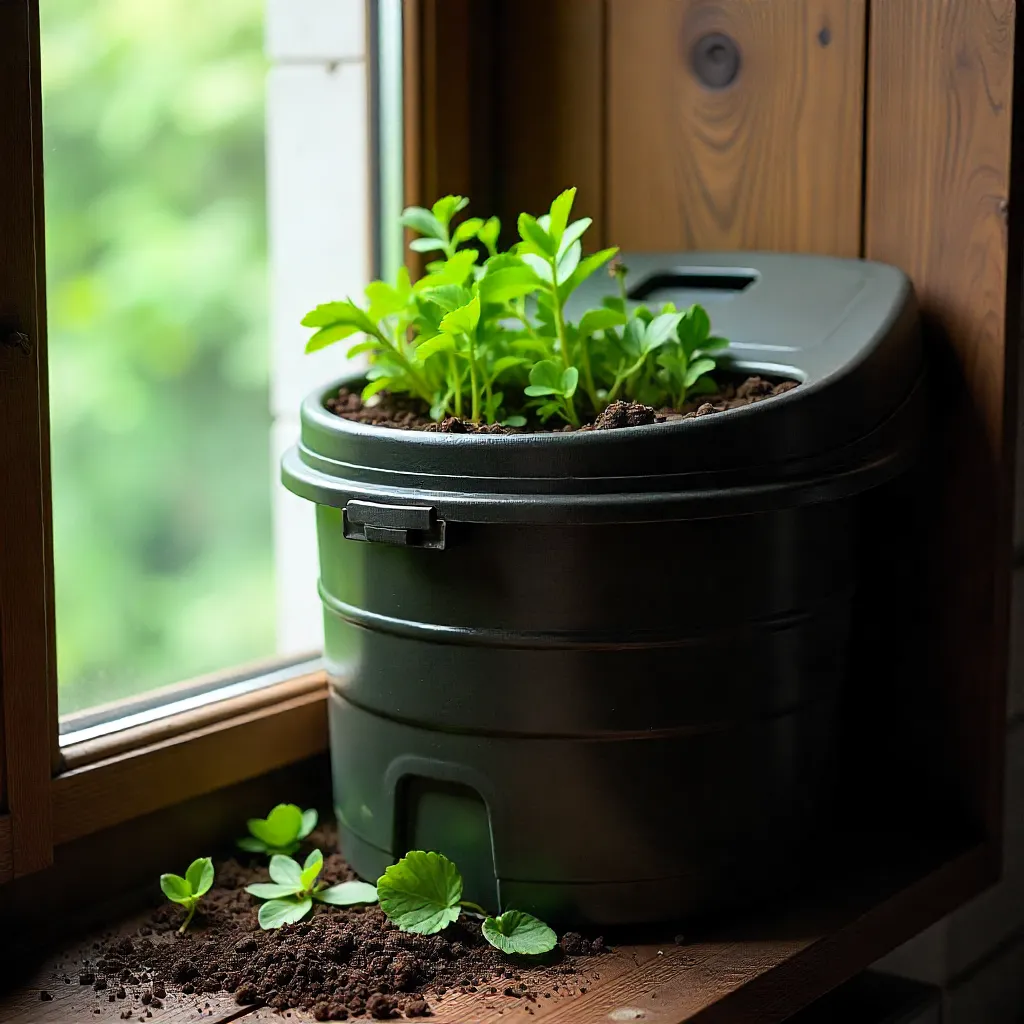
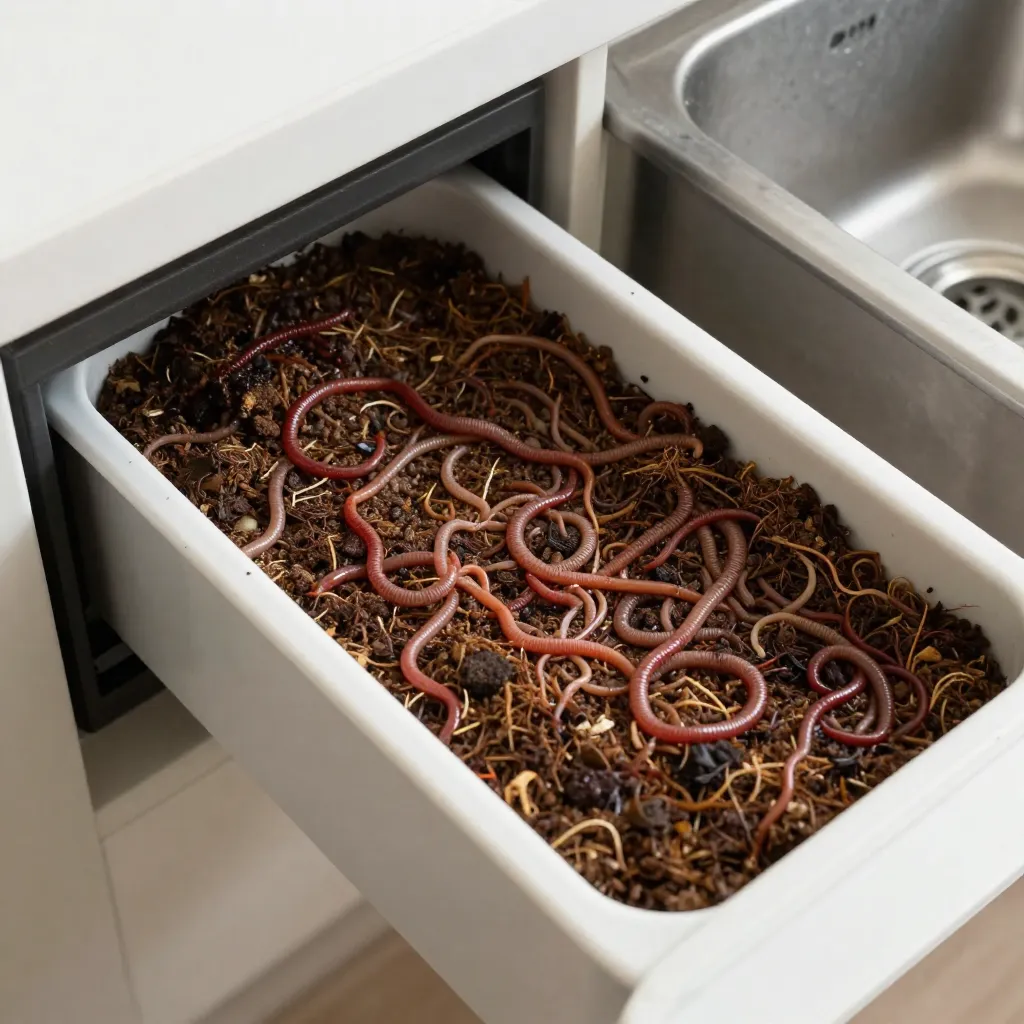
Nutrient absorption diagram

Application Methods

Compost can be incorporated into potting soil mixes or applied as a top dressing. For new plantings, mix compost with potting soil at ratios of 1:3 to 1:4 (compost to soil). This provides nutrients without overwhelming the root system.

For established plants, apply a thin layer of compost (1-2 cm) on the soil surface and gently work it into the top layer. This method provides nutrients while improving soil structure and water retention.

Compost application methods

Dosage Guidelines

Proper dosage depends on plant type, container size, and growth stage. Most indoor plants benefit from compost applications every 2-3 months during active growth periods. Use approximately 10-20% compost by volume in soil mixes.

Monitor plant response to determine optimal application frequency. Signs of adequate nutrition include steady growth, healthy leaf color, and normal flowering. Over-application can lead to nutrient imbalances or root issues.

Dosage measurement

Soil Structure Improvement

Compost improves soil structure by increasing organic matter content. This enhances water retention, drainage, and aeration. The humus in compost acts like a sponge, holding moisture while allowing excess water to drain.

Improved soil structure supports root development and beneficial microbial activity. Healthy root systems can access nutrients and water more effectively, leading to stronger, more resilient plants.

Soil structure improvement

Plant-Specific Considerations

Different plants have varying nutrient requirements. Leafy plants generally benefit from higher nitrogen content, while flowering plants may need more balanced nutrition. Research specific plant needs before applying compost.

Some plants prefer leaner soil conditions and may not respond well to frequent compost applications. Start with conservative amounts and adjust based on plant response and growth patterns.