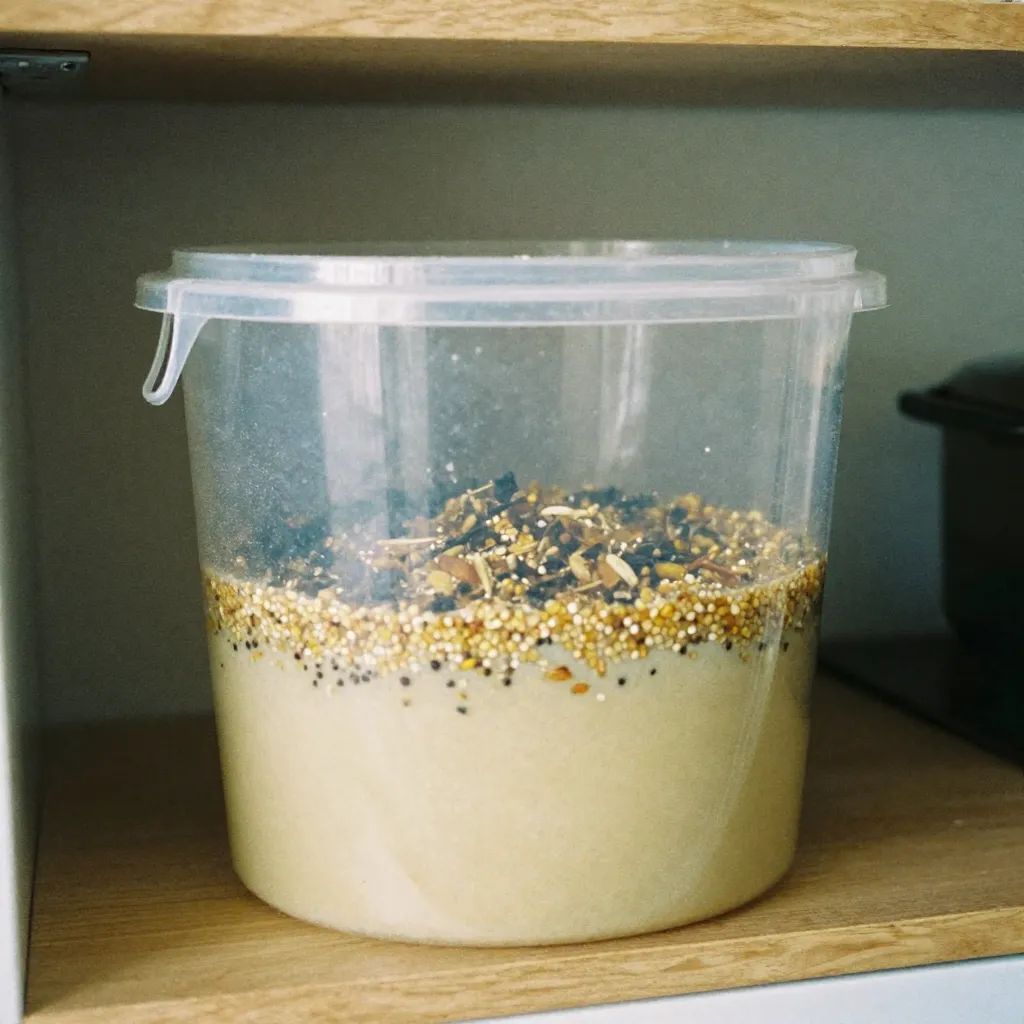
Microbial Agents

Bacillus Subtilis

Aerobic bacterium with high breakdown speed. Optimal temperature: 25-35°C. Moisture requirement: 45-55%. Compatible with vegetable scraps and paper materials.

Breakdown Speed: 8.5/10
Moisture Range: 45-55%
Temperature: 25-35°C

Lactobacillus Species

Anaerobic fermenting bacteria. Works in low-oxygen environments. Moisture requirement: 50-60%. Effective for kitchen waste and Bokashi systems.

Breakdown Speed: 7.0/10
Moisture Range: 50-60%
Temperature: 20-30°C

Actinomycetes

Filamentous bacteria that break down complex organic compounds. Moisture requirement: 40-50%. Compatible with woody materials and cellulose-rich waste.

Breakdown Speed: 6.5/10
Moisture Range: 40-50%
Temperature: 30-40°C

Fungal Agents

Trichoderma Harzianum

Beneficial fungus that decomposes organic matter and suppresses harmful pathogens. Moisture requirement: 45-55%. Works well with mixed organic waste.

Breakdown Speed: 7.5/10
Moisture Range: 45-55%
Temperature: 22-28°C

Aspergillus Species

Common composting fungi that break down cellulose and lignin. Moisture requirement: 40-50%. Effective for paper and cardboard materials.

Breakdown Speed: 6.0/10
Moisture Range: 40-50%
Temperature: 25-35°C

Earthworm Species

Eisenia Fetida

Red wiggler worms. High processing rate. Optimal temperature: 15-25°C. Moisture requirement: 60-80%. Compatible with most kitchen scraps.

Breakdown Speed: 9.0/10
Moisture Range: 60-80%
Temperature: 15-25°C

Lumbricus Rubellus

Red earthworms. Moderate processing rate. Optimal temperature: 10-20°C. Moisture requirement: 55-70%. Suitable for cooler environments.

Breakdown Speed: 7.0/10
Moisture Range: 55-70%
Temperature: 10-20°C

Compatibility Matrix

Different agents work best in combination. Some combinations enhance decomposition rates, while others may compete for resources. Understanding compatibility helps optimize system performance.

Microbial agents typically work well together when moisture and temperature ranges overlap. Fungal agents complement bacterial activity by breaking down complex compounds that bacteria cannot process. Earthworms integrate well with both microbial and fungal communities.
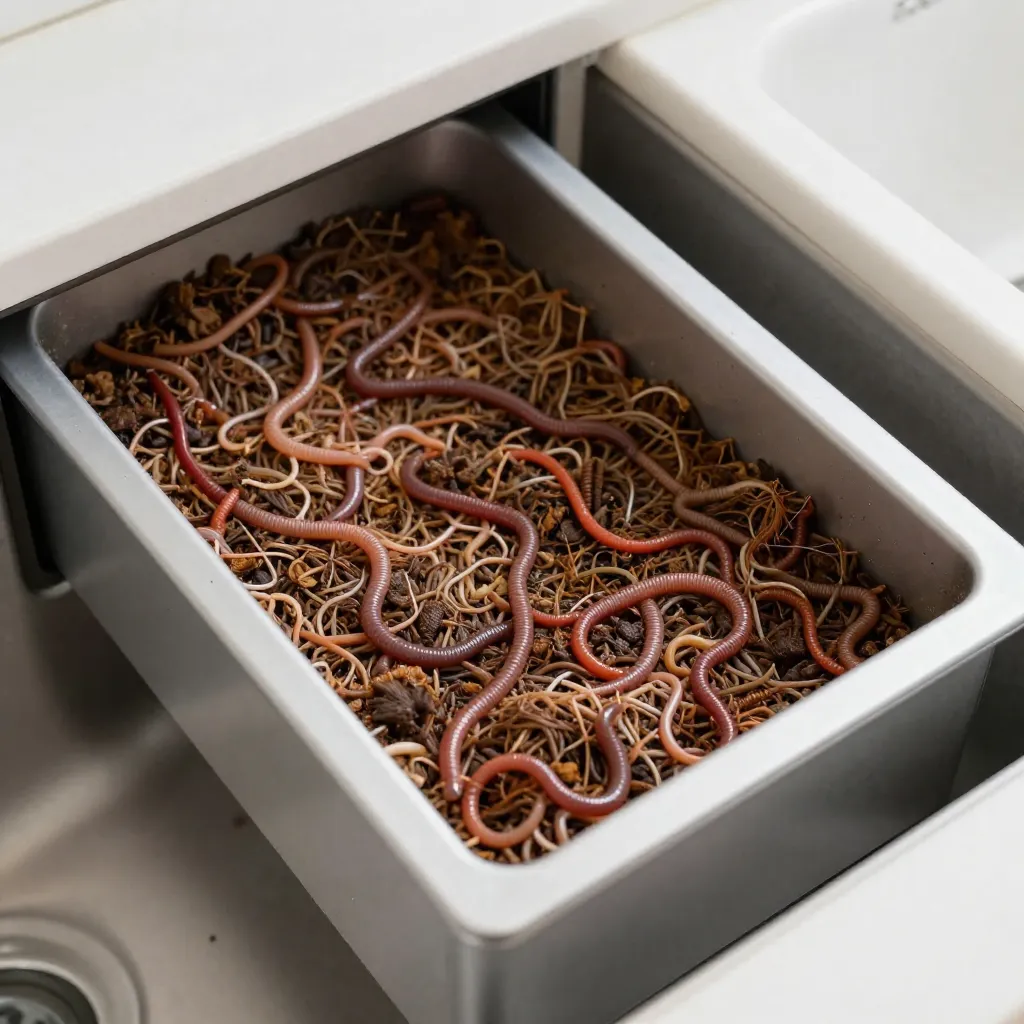
Agent compatibility