Scientific Foundation

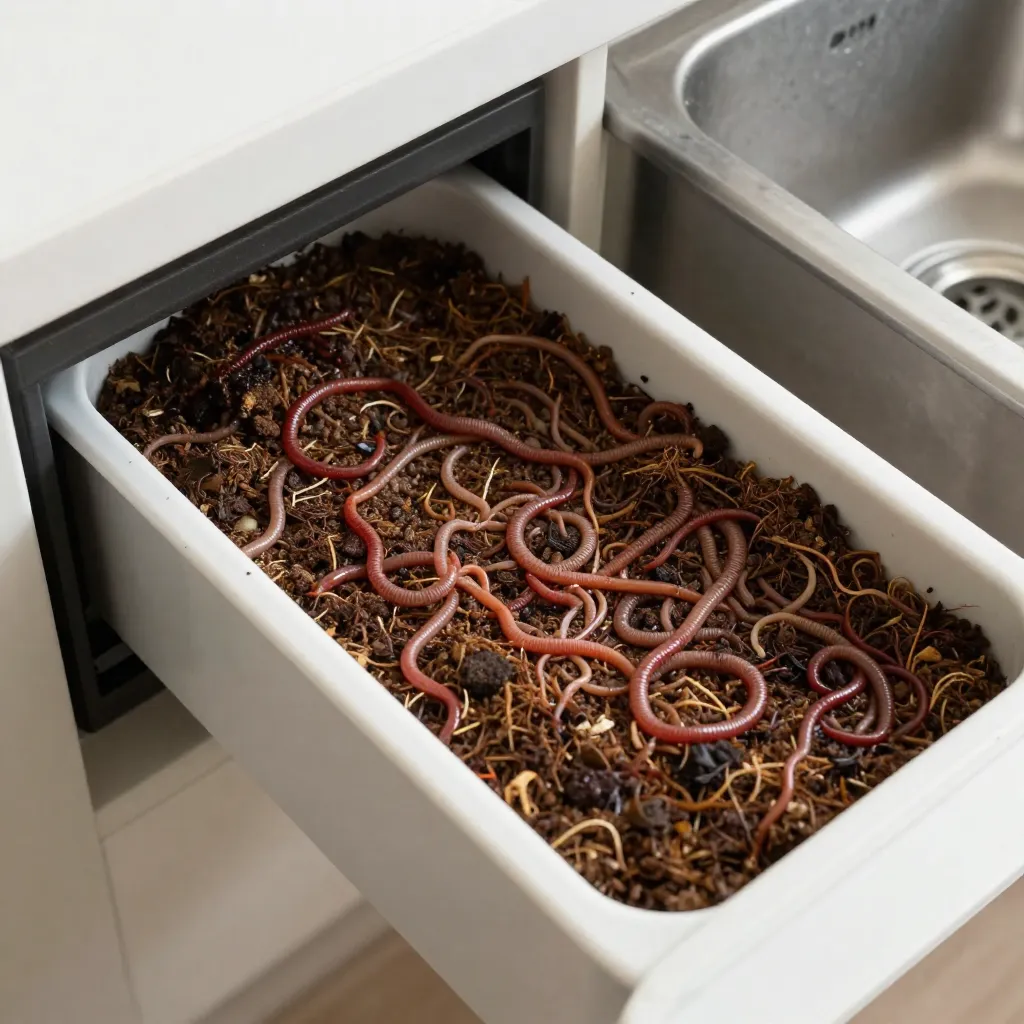
Our approach is grounded in microbiology and biochemistry principles. We understand that successful composting depends on creating optimal conditions for specific microbial communities to thrive and efficiently break down organic matter.

Research in decomposition science shows that different microorganisms dominate at various stages of the process. By understanding these stages, we can create systems that support natural biological processes while maintaining control over environmental factors.
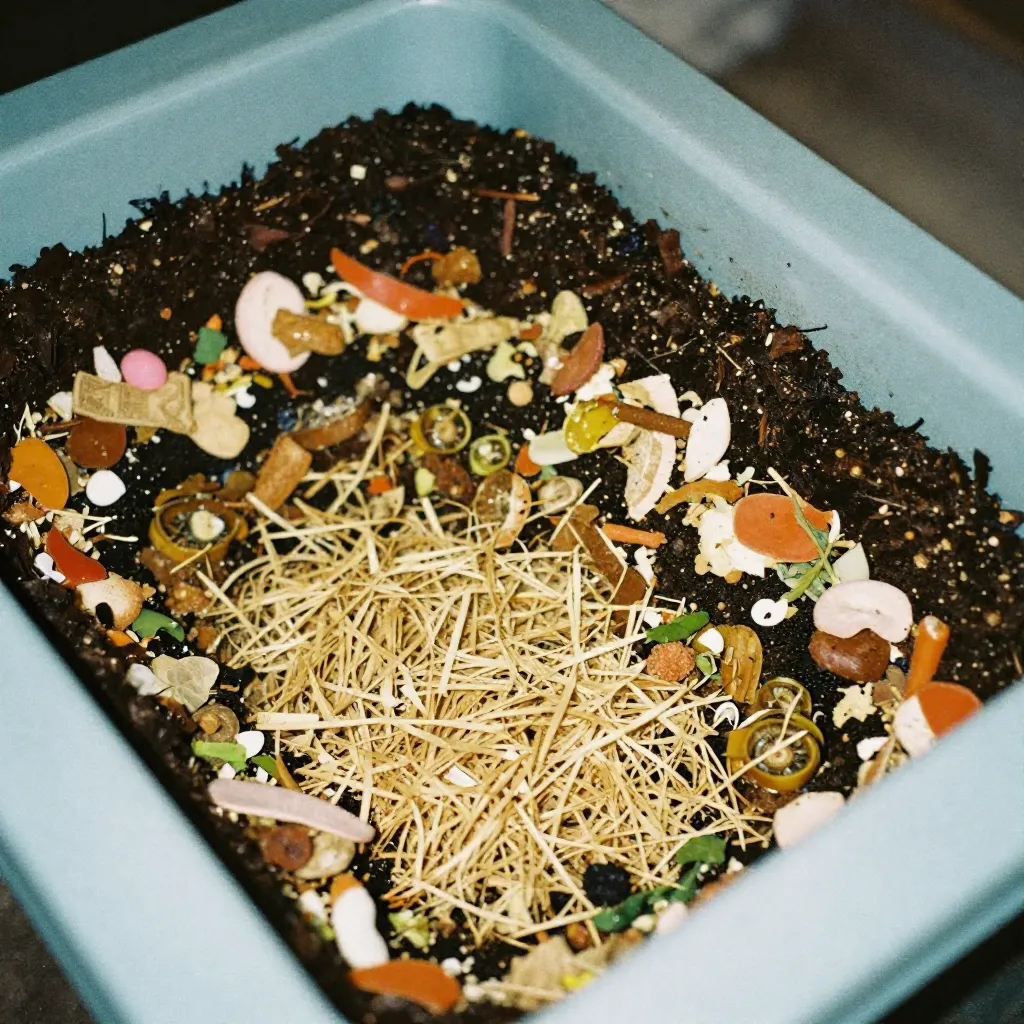
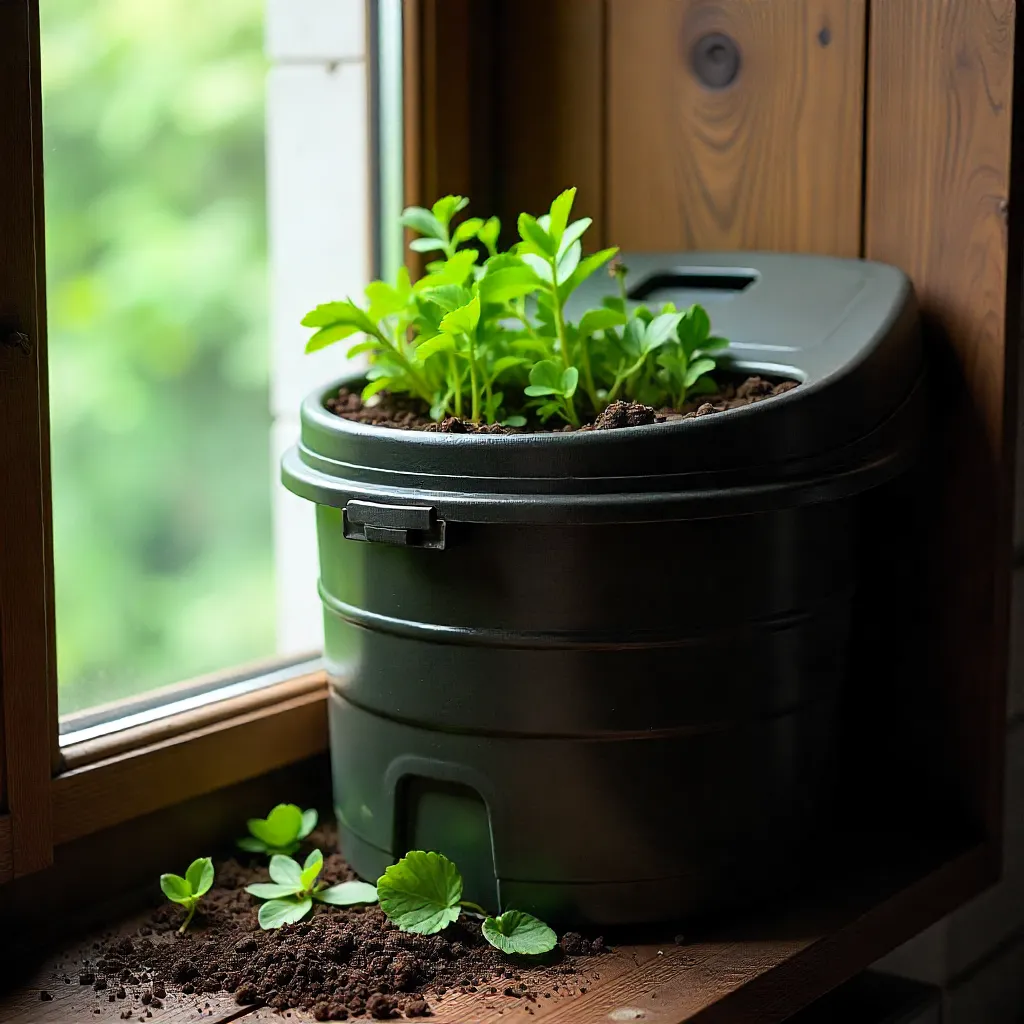
Scientific composting foundation

Practical Application

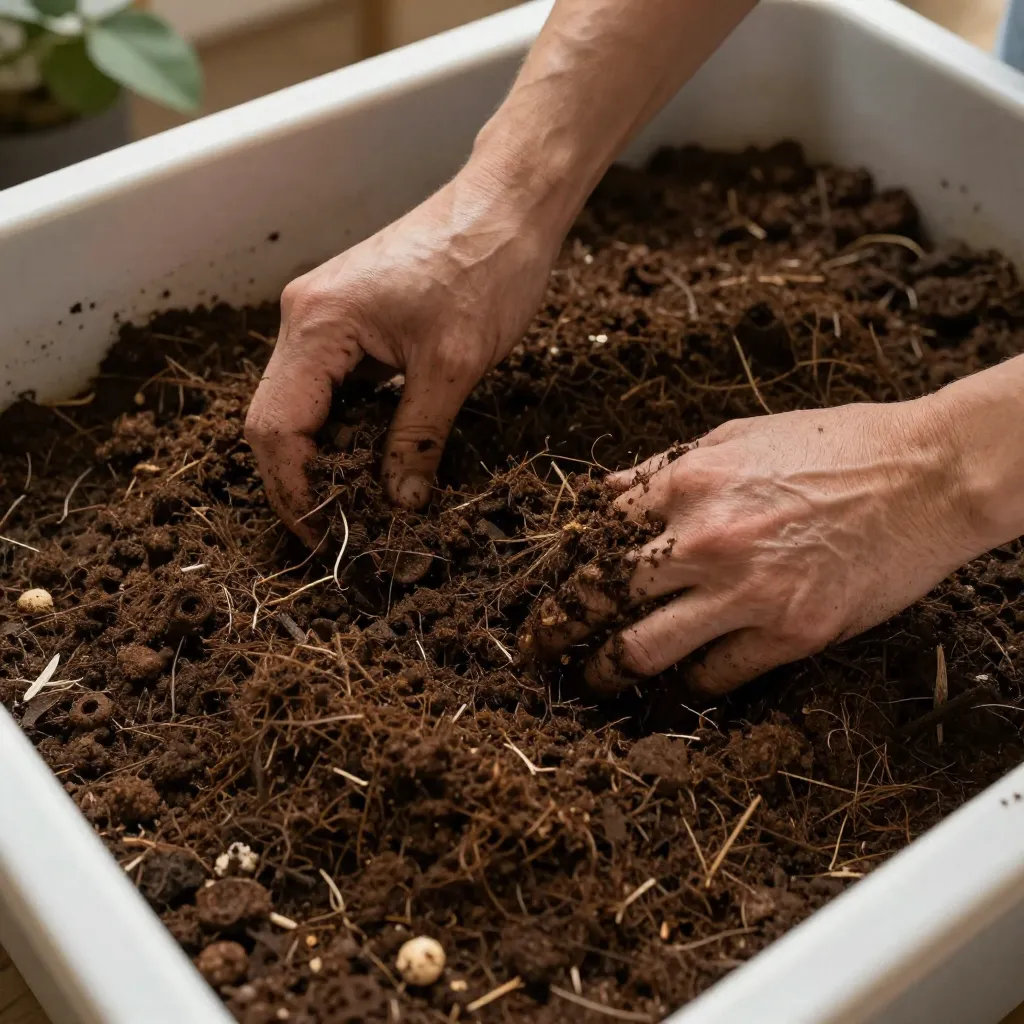
We translate scientific knowledge into practical methods that work in real indoor environments. This involves balancing theoretical understanding with practical constraints like space limitations, odor management, and time requirements.

Our methods emphasize monitoring and adjustment rather than rigid protocols. Each composting situation is unique, and successful outcomes depend on observing system behavior and making appropriate modifications.

Practical composting application

Environmental Considerations

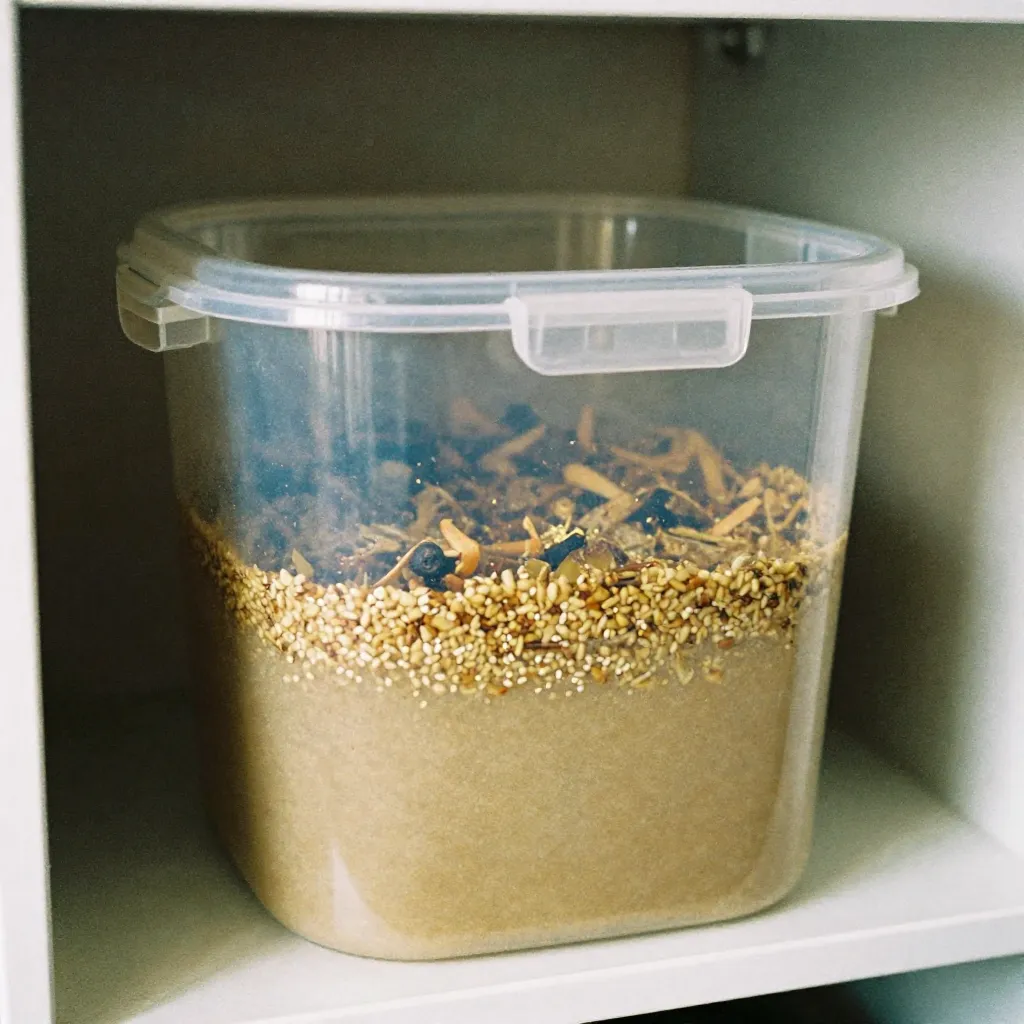
Indoor composting reduces organic waste sent to landfills, where it would decompose anaerobically and produce methane, a potent greenhouse gas. By managing decomposition aerobically, we convert waste into useful products while minimizing environmental impact.

The finished compost improves soil health when used in gardening, reducing the need for synthetic fertilizers and supporting sustainable growing practices. This creates a closed-loop system for organic waste management.

Environmental benefits of composting

Continuous Learning

Composting science continues to evolve as researchers discover new microbial relationships and decomposition pathways. We stay informed about current research and incorporate validated findings into our methods.

We encourage experimentation and observation, as individual experiences contribute to collective understanding. Sharing knowledge and experiences helps improve methods and outcomes for everyone interested in indoor composting.

Learning about composting

Accessibility and Education

We believe that effective composting methods should be accessible to anyone interested, regardless of technical background. Our resources explain complex processes in understandable terms while maintaining scientific accuracy.

Education is essential for successful composting. Understanding why certain practices work helps people adapt methods to their specific situations and troubleshoot problems when they arise.