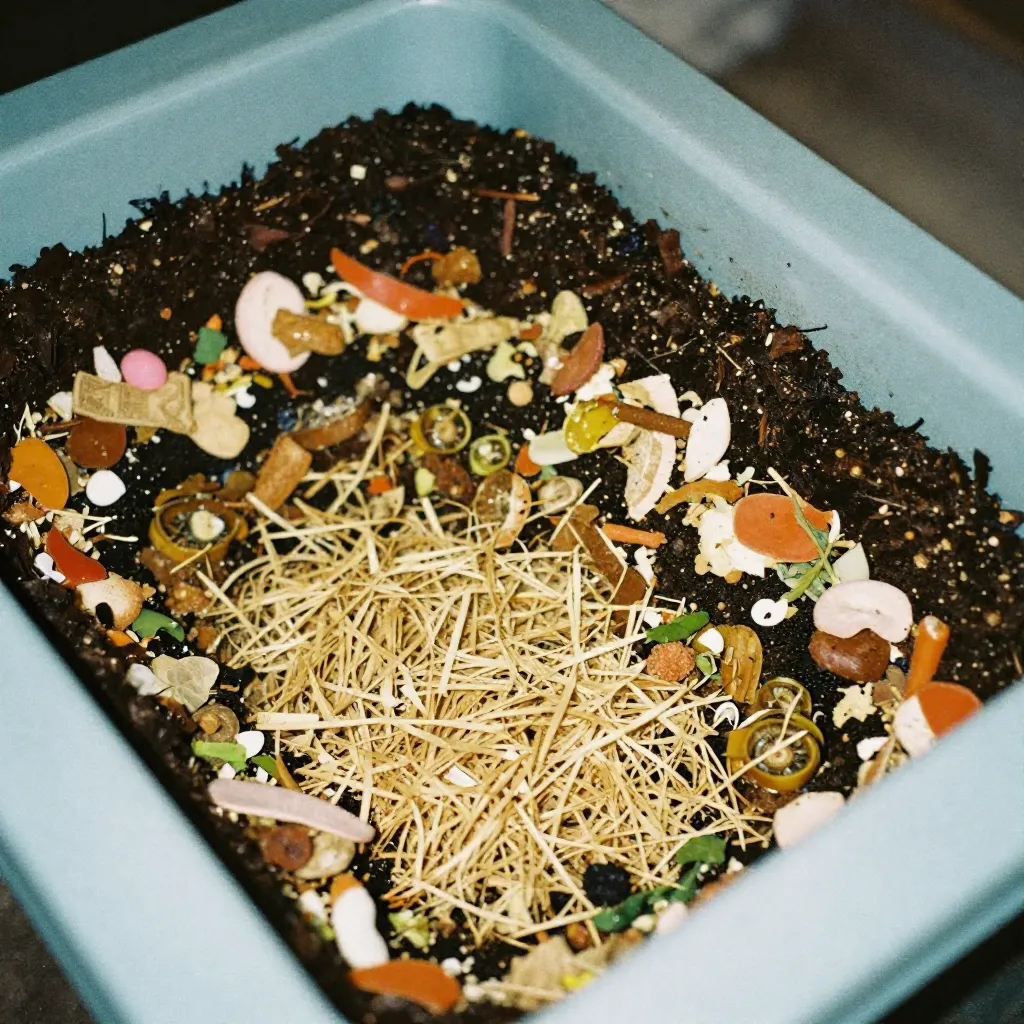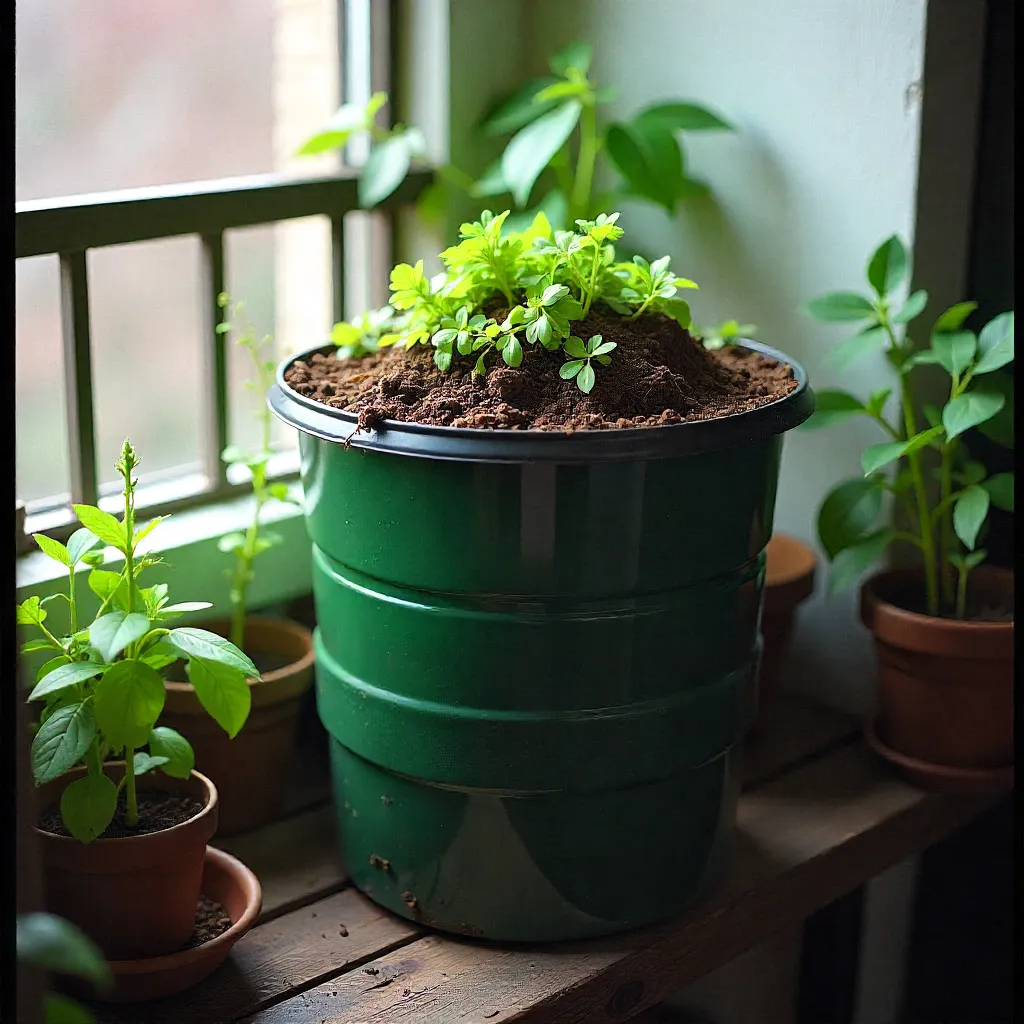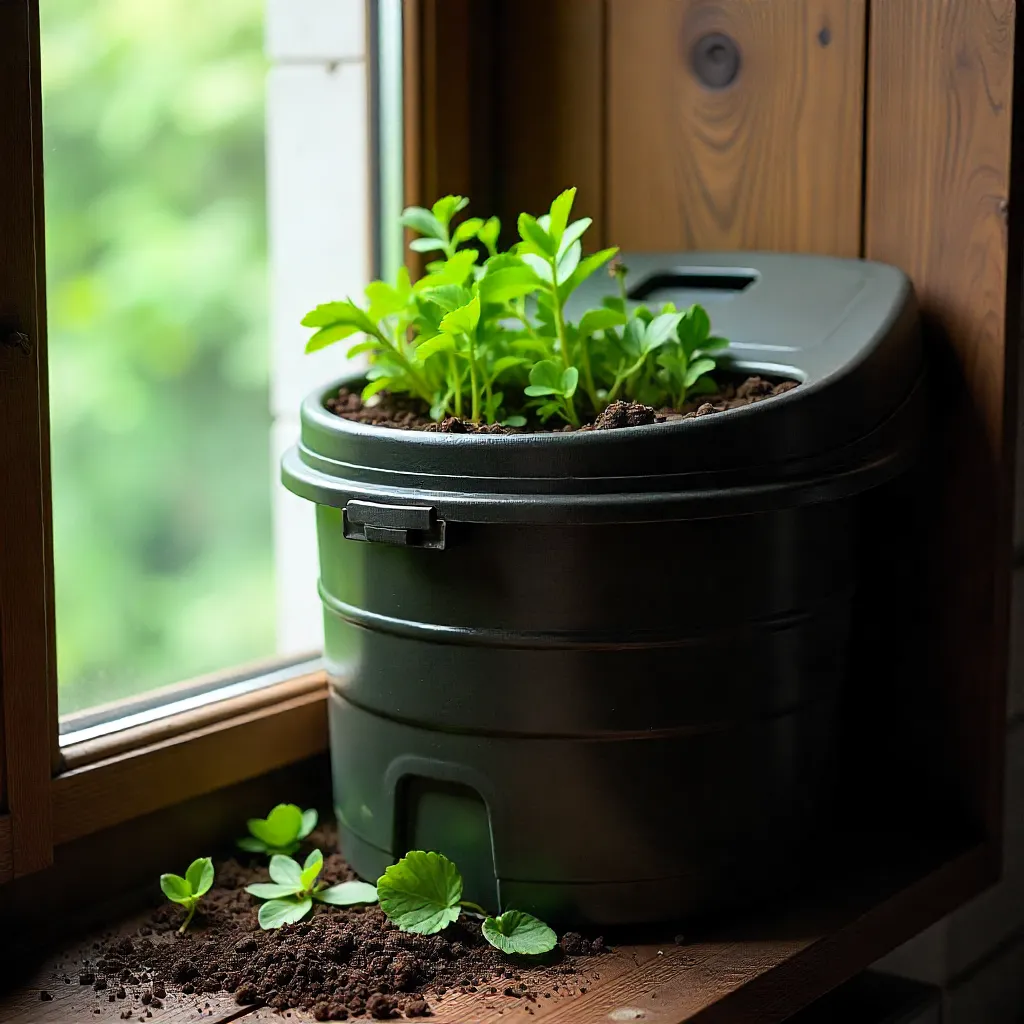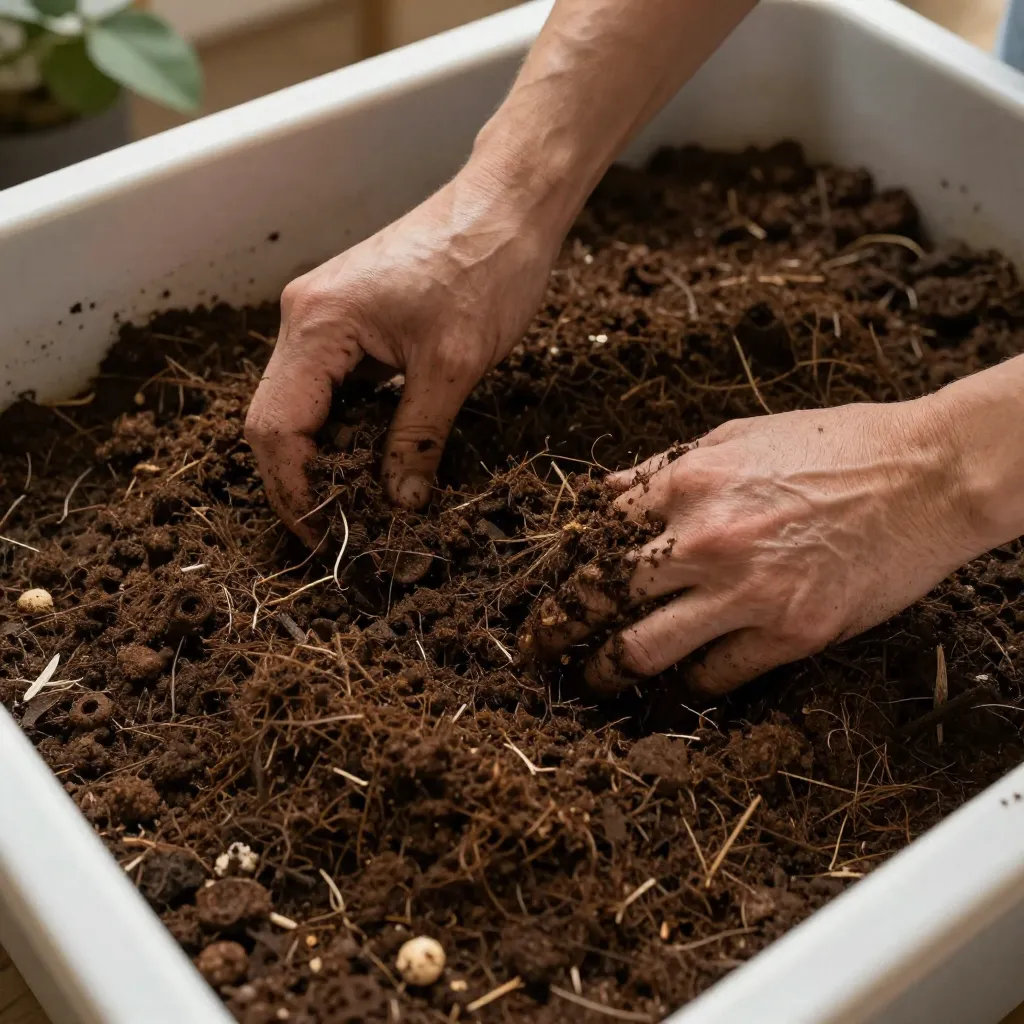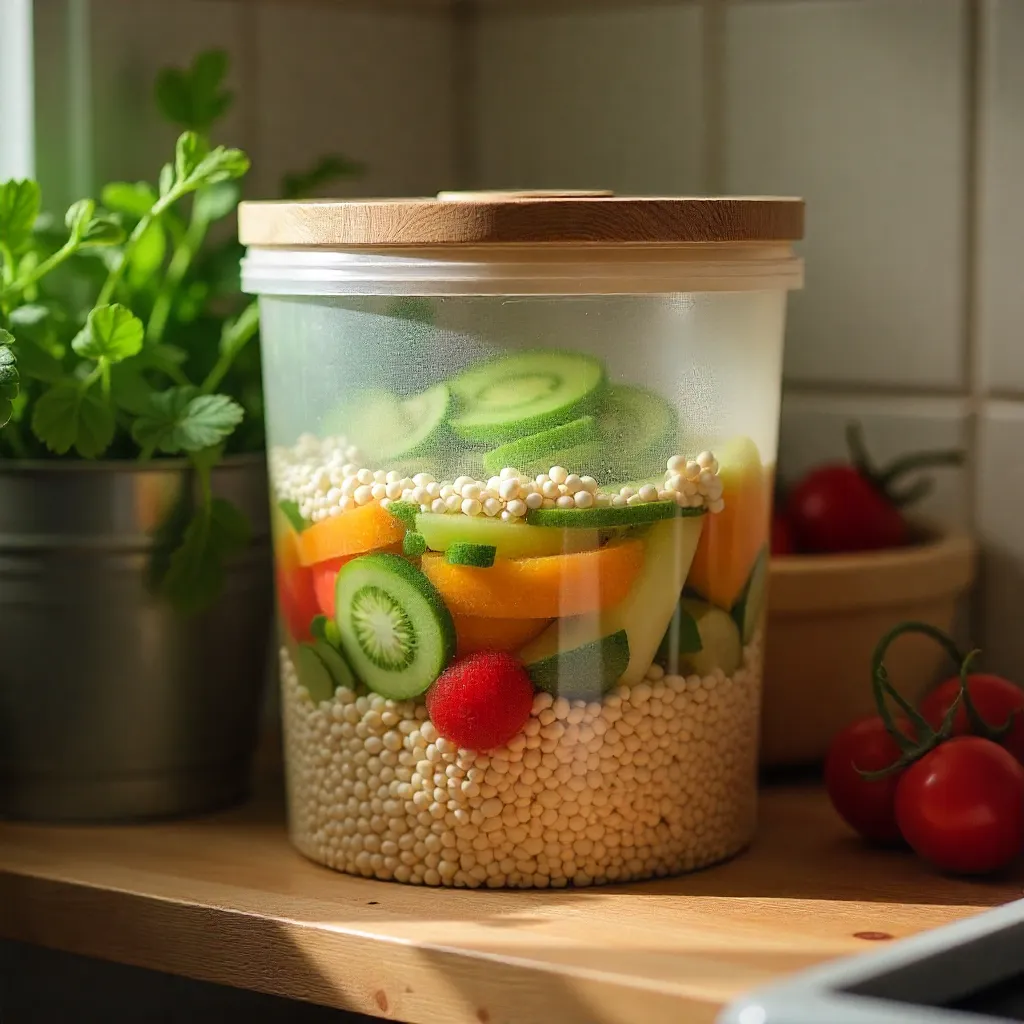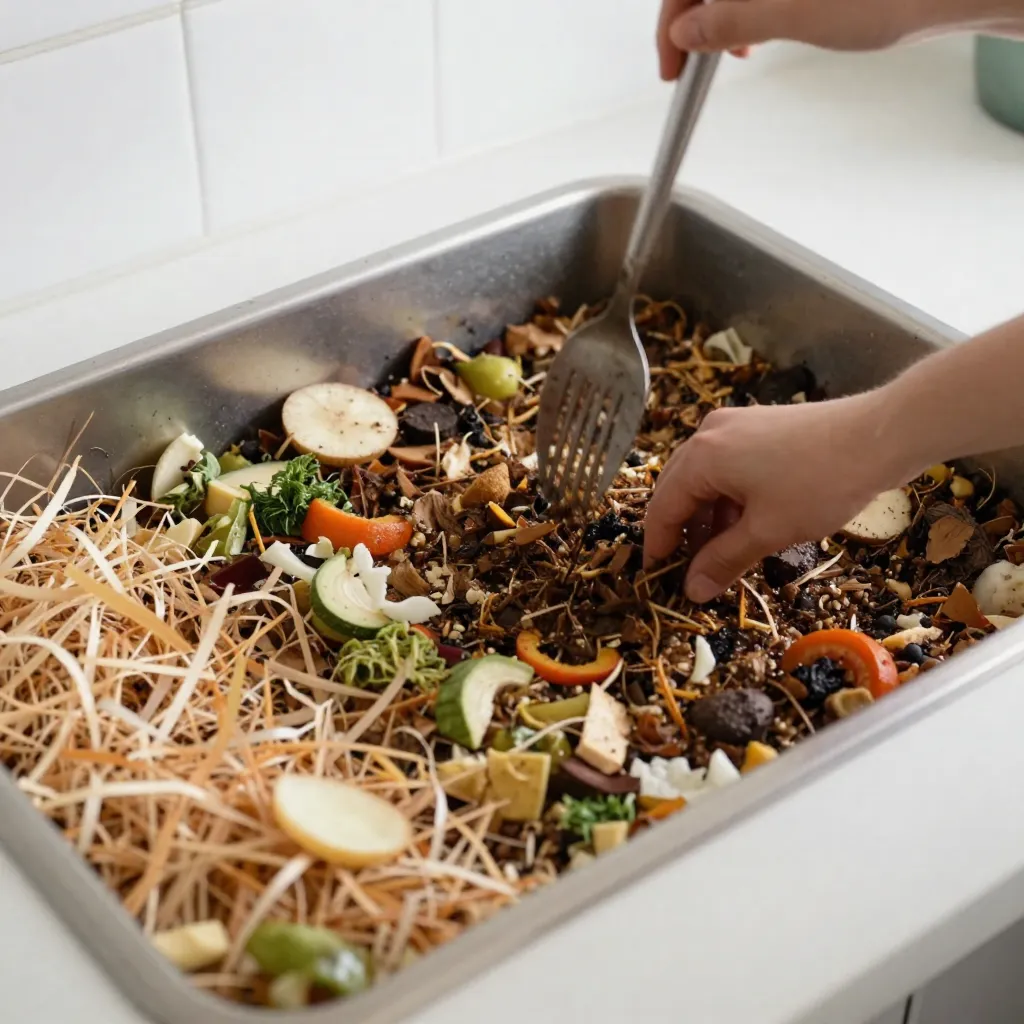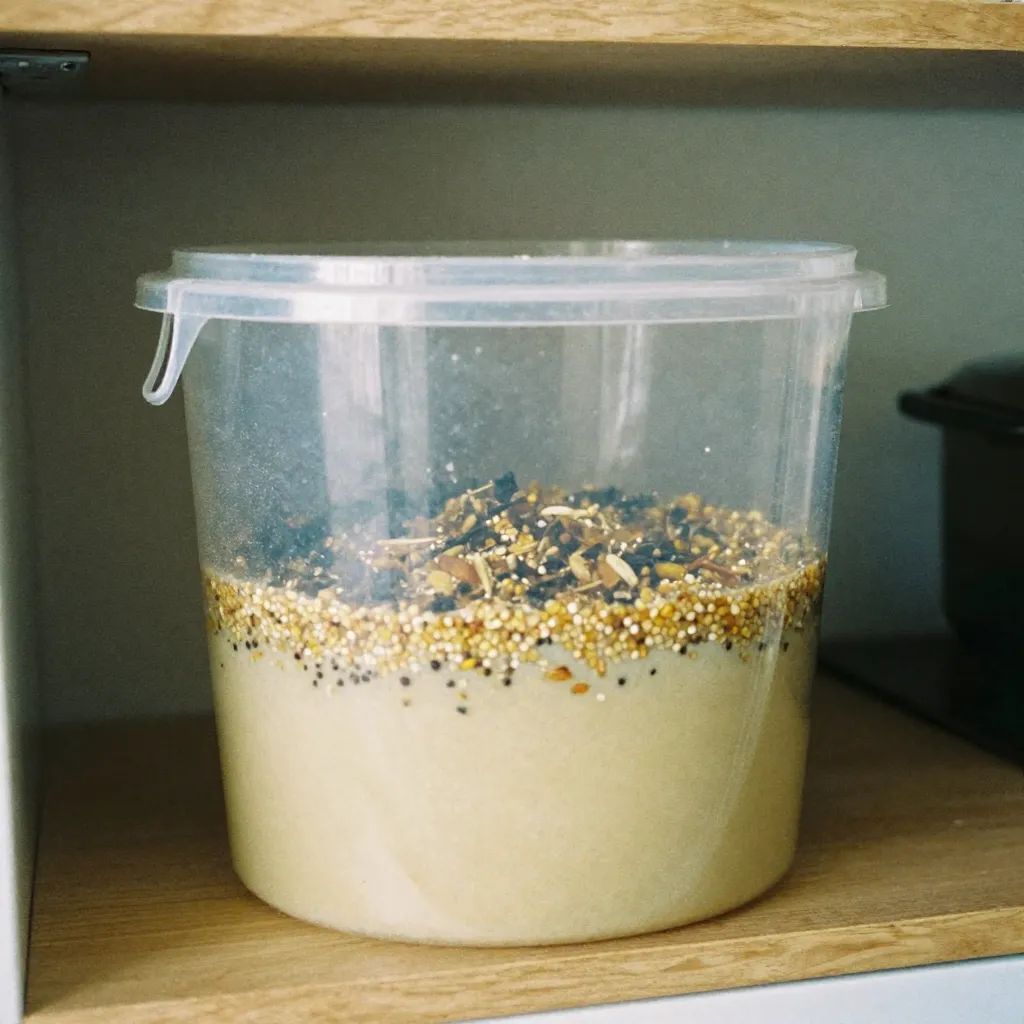
Indoor composting relies on carefully managed microbial communities that break down organic matter through controlled biochemical processes. These microorganisms convert carbon and nitrogen compounds into stable humus, creating a valuable soil amendment.
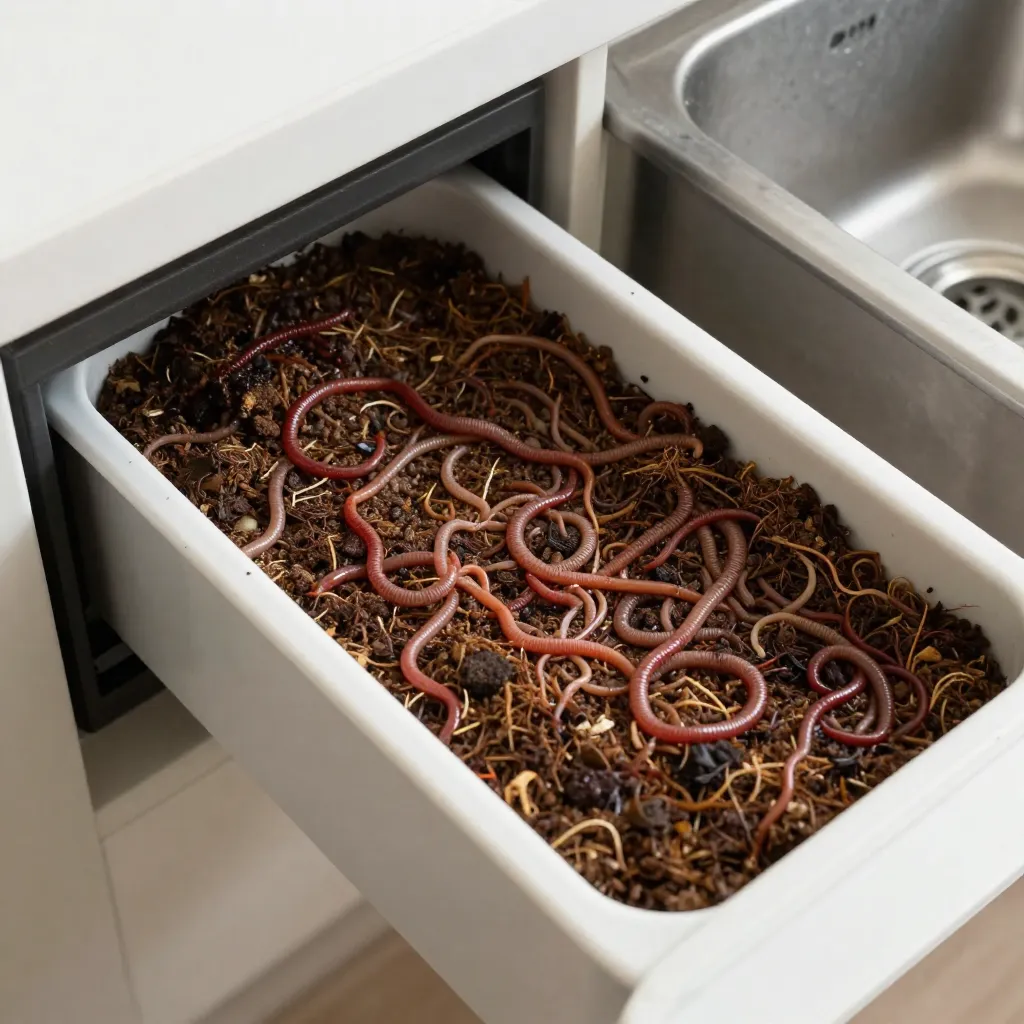
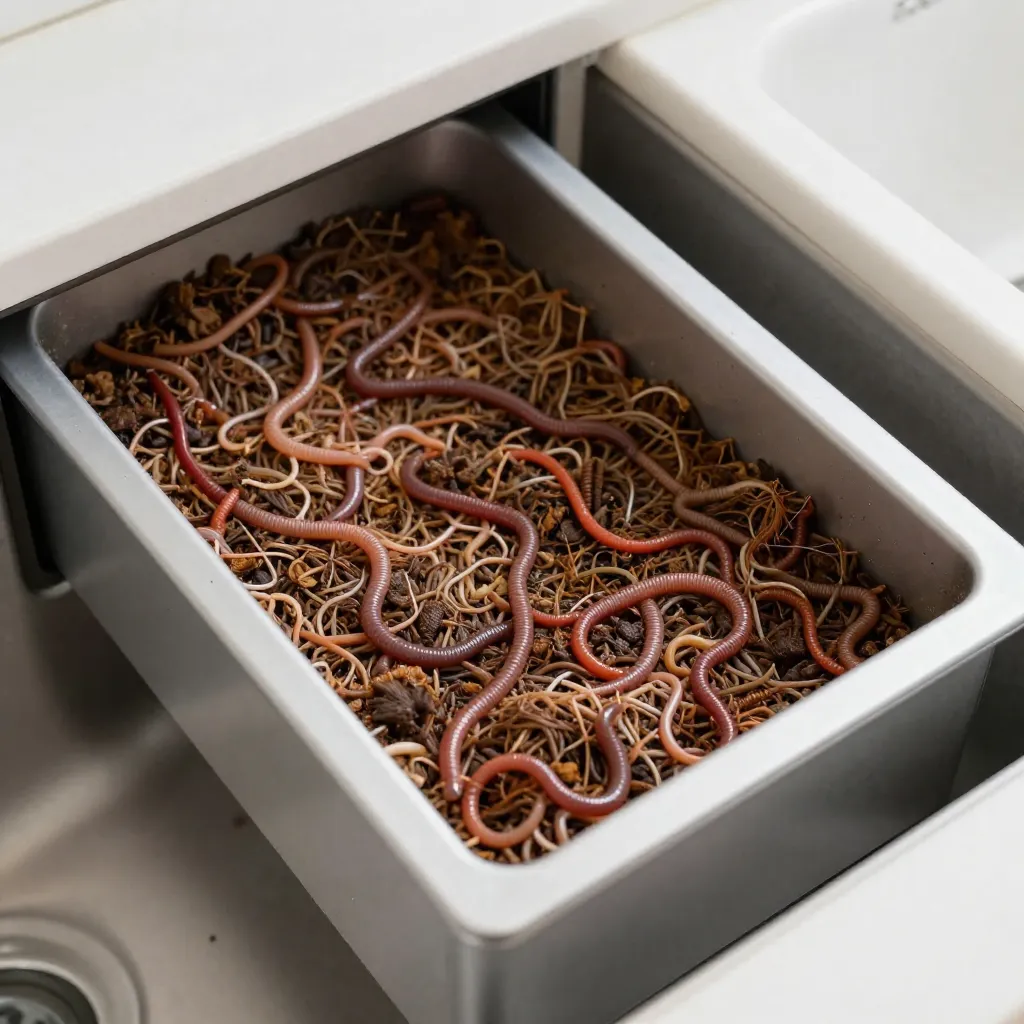
The process involves multiple stages: initial breakdown by bacteria, further decomposition by fungi, and final stabilization through earthworm activity. Each stage requires specific environmental conditions including moisture levels, temperature ranges, and oxygen availability.